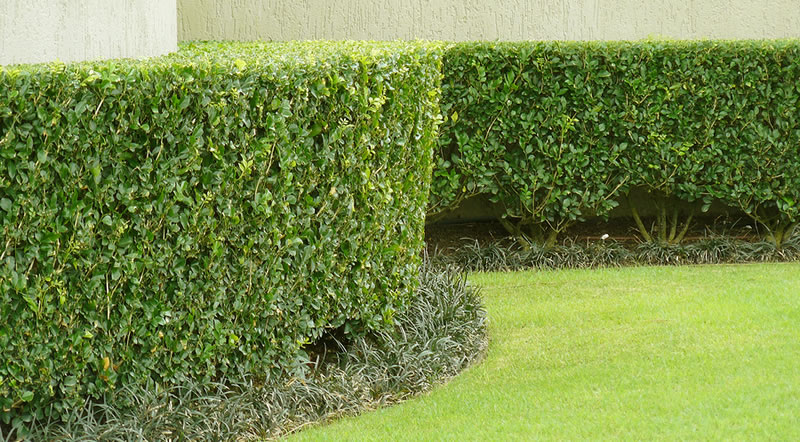
Creating Green Paradises: Ensuring Sustainability through Strategic Irrigation Techniques Jun 17, 2026
Understanding the basics of strategic irrigation begins with recognizing the unique requirements of your landscape. Every garden or lawn has various zones, each with different sun exposure, soil composition, and plant types. Tailoring your irrigation system to these specific needs helps reduce water waste and promotes optimum plant growth.
One of the most effective ways to conserve water and ensure sustainability is through drip irrigation. This method delivers water directly to the roots of plants using a network of valves, pipes, tubing, and emitters. Drip irrigation reduces evaporation and runoff, ensuring that every drop counts. Not only does this save water, but it also reduces weed growth, as water is precisely targeted to where it's needed.
Another sustainable technique is the use of smart irrigation systems. These systems utilize weather data and sensors to adjust watering schedules according to actual landscape needs. For instance, if there’s rain in the forecast, the system will automatically skip watering that day. By doing so, you save water and reduce utility costs, contributing to environmental conservation while keeping your garden lush and vibrant.
Furthermore, zoning your irrigation system is an effective strategy for sustainability. By grouping plants with similar water needs together, you can customize watering schedules for each zone. This prevents overwatering and under-watering, which can both be detrimental to plant health. Moreover, it allows for more efficient use of resources.
Converting to permeable landscaping surfaces like gravel, pavers with widened joints, or porous concrete can also enhance sustainability. These surfaces allow rainwater to seep into the ground, replenishing groundwater supplies and reducing runoff. This action is particularly important in urban areas where non-porous surfaces dominate.
Maintaining your irrigation system is another crucial aspect of sustainable landscaping. Regular checks for leaks, proper pressure, and correct positioning of sprinkler heads can significantly impact water usage. According to studies, simple maintenance can reduce water waste by up to 30%.
Incorporating drought-resistant plants into your landscape design can also dramatically increase sustainability. Native or adaptive plants are typically more resilient to local climate conditions and require less water, pesticides, and fertilizers. Not only do they conserve water, but they also contribute to biodiversity.
At Wheelhouse Irrigation and Lighting, we believe that through strategic irrigation techniques, we can create landscapes that not only meet our aesthetic aspirations but also honor our environmental responsibilities. Encouragingly, these methods do not require major sacrifices but rather offer opportunities to innovate and implement efficient, long-term solutions.
In conclusion, sustainable landscapes are achievable through thoughtful planning and the application of efficient irrigation systems. By implementing these practices, we can enjoy beautiful gardens that contribute positively to the environment. Let’s commit to creating and maintaining these green paradises, ensuring they are vibrant and viable for generations to come. Together, we can make a difference—one drop at a time.
/filters:no_upscale()/filters:format(webp)/media/7f0dcb31-5101-4866-bf46-a5dc982c54b8.png)
/filters:no_upscale()/filters:format(webp)/media/a35d71e0-9f3b-4d89-9fc6-26cf73ea009f.jpeg)